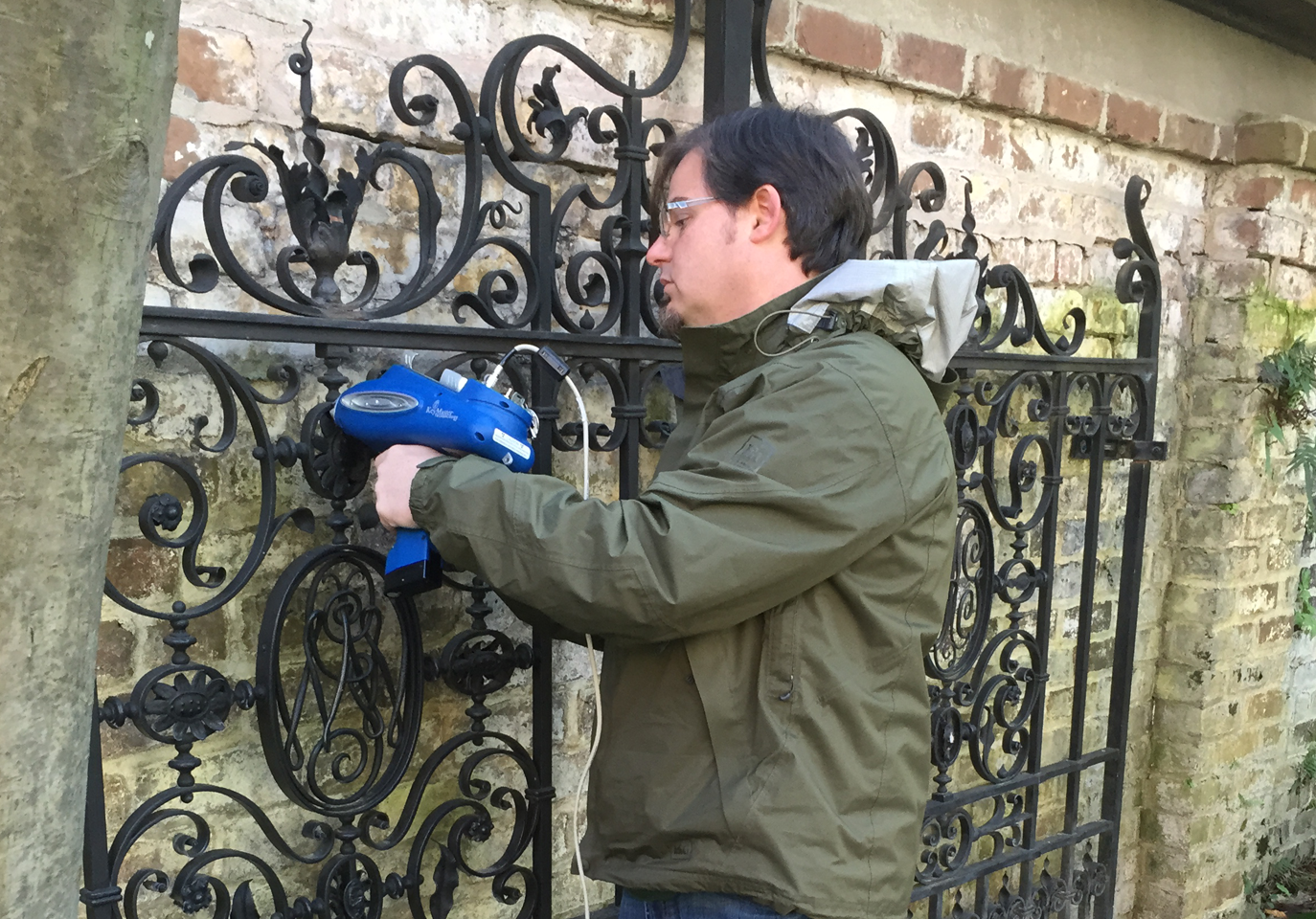

NSU Preservation Technical Services provides a wide range of services, including materials identification, characterization, and conservation treatments on architectural and archeological materials. They also digitally document structures, monuments, cultural landscapes, artifacts, and the stories of the people who made those places and objects significant.
NSU Preservation Technical Services
NSU Preservation Technical Services
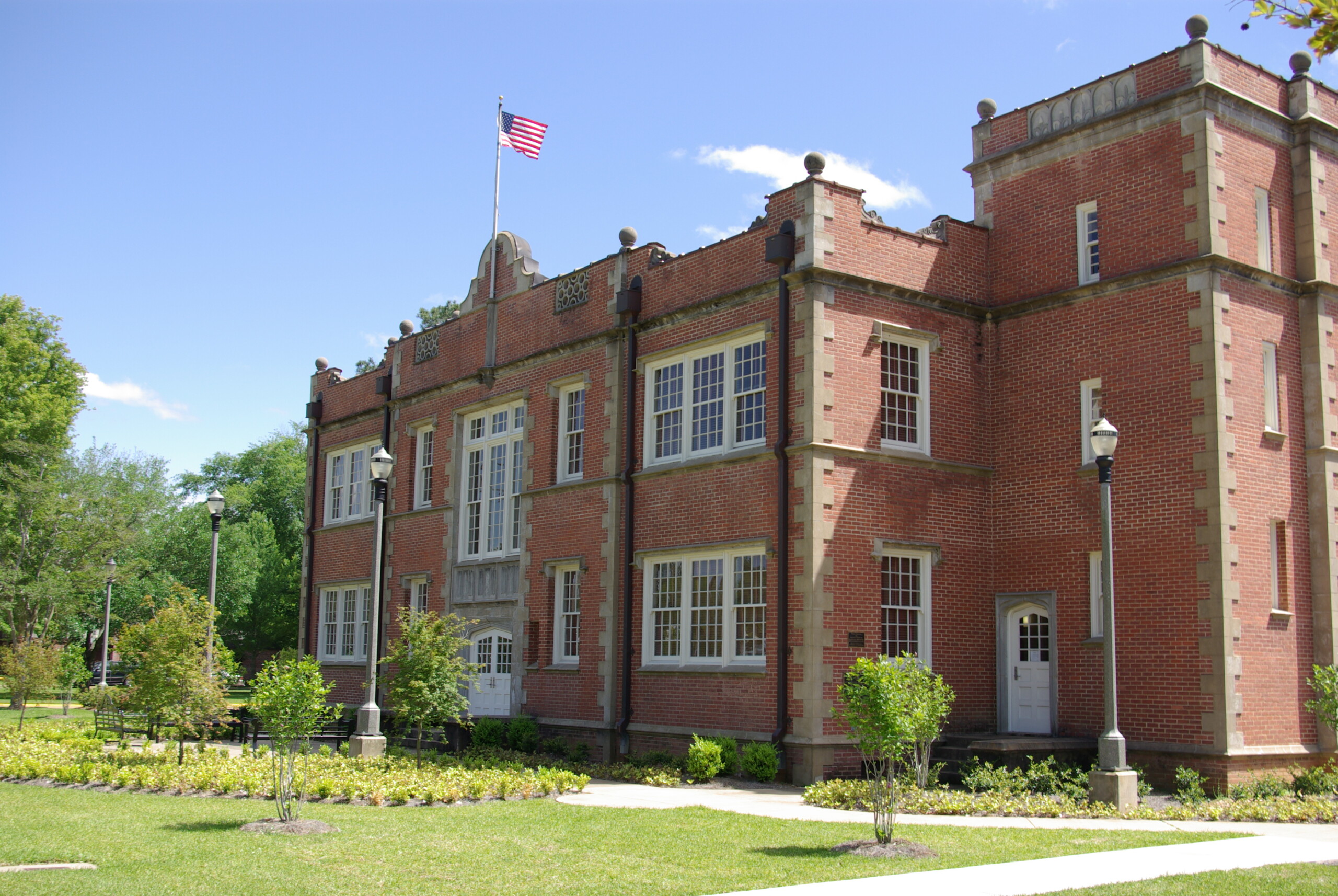
Tech Services works in close partnership with the National Center for Preservation Technology and Training (NCPTT), which was created in 1994 as a research and training office of the National Park Service. NCPTT works with partners across the United States to develop, apply, and share advanced technologies to protect America’s cultural heritage. NCPTT is headquartered in Lee H. Nelson Hall, which was originally the Women’s Gymnasium for the Louisiana Normal College. It is one of the oldest buildings on NSU’s campus.
As host university, NSU supports NCPTT’s mission to advance the field of historic preservation through the use of science and technology. Legislation established the Center on NSU’s campus thus beginning more than 3 decades of strong collaboration between NCPTT and NSU with several departments and programs: Creative and Performance Arts, Physics, Chemistry, Engineering, Journalism, Folk Life, Anthropology, The Creole Center, ARGO, the former Cultural Resource Management Program, and others. NSU and NCPTT also jointly operate three research labs in Nelson Hall and three in Fournet Hall. Tech Services regularly employs NSU interns, works service, and JOVE students.
For more information about the Center, check out https://www.nps.gov/subjects/ncptt/index.htm
Tech Services
Museum Poisons Test Kit
The purpose of this research is to expand the analytical tool kit for cultural heritage stewards to test for potential contamination or toxins in their collections. We are currently collecting data on the application of indirect testing—collecting samples from materials in contact with an object instead of the object itself—to identifying toxic metal and organic compounds.
We welcome your participation! Data from other collections and examining a broad range of contaminants will help us refine the instructions and application of these methods.
Below are pamphlets on how to take wipe samples or bulk samples for testing in your collections, an introduction about how to choose and speak with an analytical lab, and an example data collection spreadsheet. You can also find the link to submit data.